
Module 8, Track 2 – Climate Change and Water Resources
0
/0 ratings
Price
Free
Level All levels
102 students
Duration 8 hours
6 Lessons
Language English
Certificates No
Get unlimited access to all learning content and premium assets Membership Pro
Description
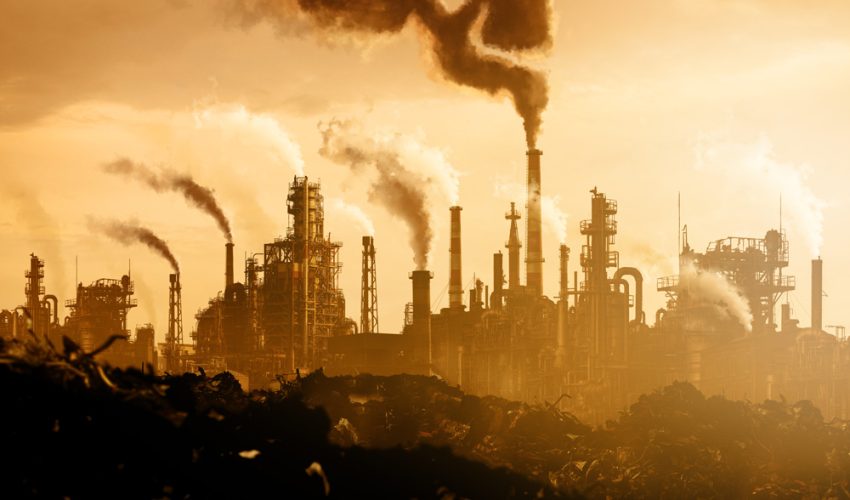
This module will introduce learners to the concepts of climate change, its causes, impacts and appropriate adaptation and mitigation strategies. It will cover the core debates that address myths peddled by climate change denialists and anti-environmentalism, as well as evolutions and distinctions between climate action and climate justice.
What you'll learn
- Understand the fundamental concepts, causes, and impacts of climate change.
- Explore key adaptation and mitigation strategies in response to the climate crisis.
- Examine the evolution of climate action and the principles of climate justice.
- Critically analyze common myths and arguments from climate change denialists.
Curriculum
- 5 Sections
- 6 Lessons
- 2 Days
Expand all sectionsCollapse all sections
- Session 1This session explores climate change's impact on quality, quantity (scarcity) variability, availability of water resources, and impacts on water infrastructure. Moreover, it will consider water-related hazards such as droughts and flooding. It will also consider water solutions to mitigate the effects of climate change and how some of these can exacerbate existing water-related stresses1
- Session 2This session will enable learners to grasp the concept of climate change and its impact on fisheries and aquaculture. In addition, to the role of the blue economy in climate adaptation and mitigation through Nature-based solutions. Special focus will be on energy efficiency, marine, and coastal biodiversity, ecosystem-based adaptation, environmental resilience building in the coastal areas, ecosystem restoration, building economic resilience, and policy formulation for a climate change resilient Blue Economy development.1
- Session 3This session introduces learners to Integrated water resource management as a tool for sustainable adaptation and mitigation strategies. It explores the application of IWRM as a response strategy to climate justice and human rights toward improving the resilience of water systems and water infrastructure.1
- Session 4This session will familiarize learners with examples of community-based initiatives that promote water conservation and sustainable practices and policies that promote integrated water management.2
- Session 5This track will introduce the learners to the effects of climate change on sanitation, by identifying the climate threats to water and sanitation infrastructure.2
Price
Free
102 students
Duration 8 hours
6 Lessons
Assessment Yes
0 quiz
Language English
Certificates No
Get unlimited access to all learning content and premium assets Membership Pro
You might be interested in

-
All levels
Free
-
300 Students
-
6 Lessons
Global warming (Industrialization and history of fossil fuels); Slow and rapid onset weather extremes; Climate change versus climate variability
-
All levels
Free
-
289 Students
-
8 Lessons
-
All levels
Free
-
289 Students
-
8 Lessons
Global warming (Industrialization and history of fossil fuels); Slow and rapid onset weather extremes; Climate change versus climate variability
-
All levels
Free
-
261 Students
-
10 Lessons
-
All levels
Free
-
261 Students
-
10 Lessons
Global warming (Industrialization and history of fossil fuels); Slow and rapid onset weather extremes; Climate change versus climate variability
-
All levels
Free
-
242 Students
-
5 Lessons
-
All levels
Free
-
242 Students
-
5 Lessons
Global warming (Industrialization and history of fossil fuels); Slow and rapid onset weather extremes; Climate change versus climate variability
Free
Sign up to receive our latest updates
Get in touch
Call us directly?
+254-20-8075808
Address
House No, J13, Kabarnet Road,
Off Ngong Road, Nairobi, Kenya
info@climate-justice.school
More about us
- © 2026 NSSCJ LMS. All rights reserved.
Designed by Tuwele